See more than the skyline
The Yangtze and Jialing rivers meet beside the Yuzhong Peninsula, giving the city a useful geographical starting point. Yet a map seen from above misses the experience of the hillside: an entrance on one road can lead to another level, and a short horizontal distance can involve a substantial climb.
For first-time Chongqing tours, combine a river view with a manageable walk and one experience that explains how the city moves, such as the monorail or cableway. Its frequently described “cyberpunk” appearance is a contemporary visual impression, not a separate attraction or a complete account of its history and daily life.
Places and experiences to explore
Compare the individual pages below before choosing. A station, public square, working escalator, carved heritage site and mountain park have different scales and access arrangements. The Wulong overview introduces the region; Three Natural Bridges and Fairy Mountain explain the specific visits.
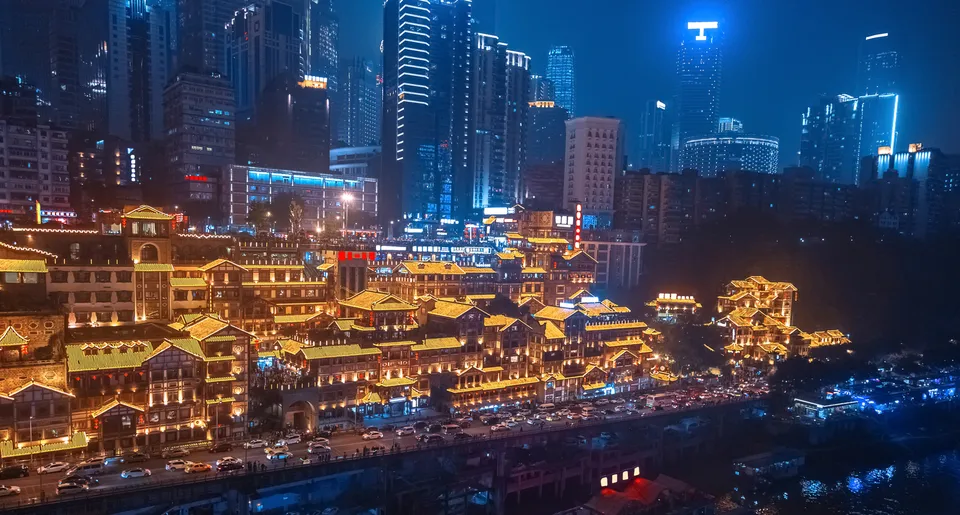
Hongyadong
Hongyadong trips reveal the steep relationship between street, building and river in central Chongqing.
View attraction details →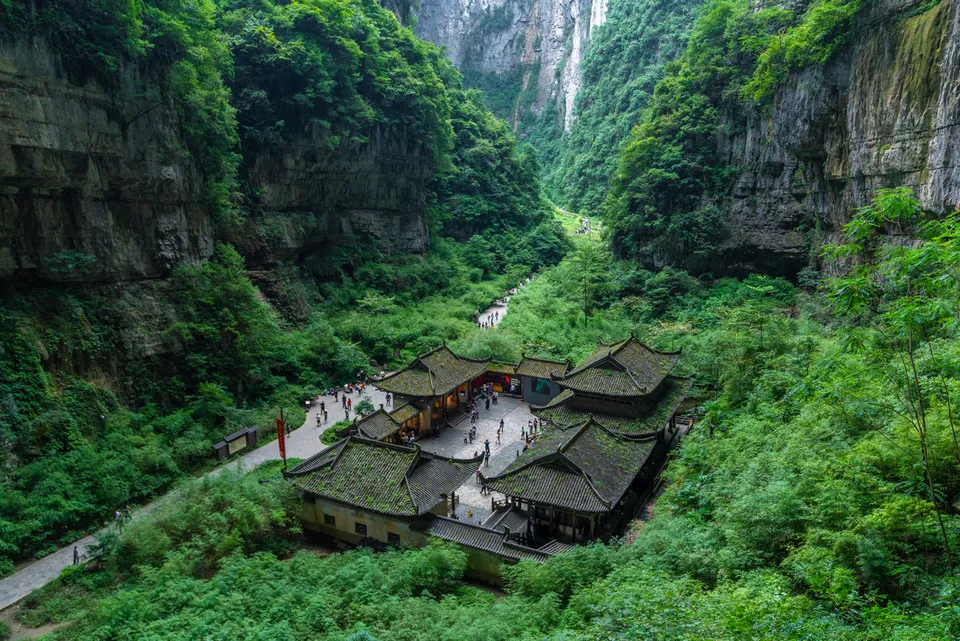
Wulong Karst
Wulong Karst trips take you beyond central Chongqing into a region of limestone landforms, deep valleys and changing mountain scenery.
View attraction details →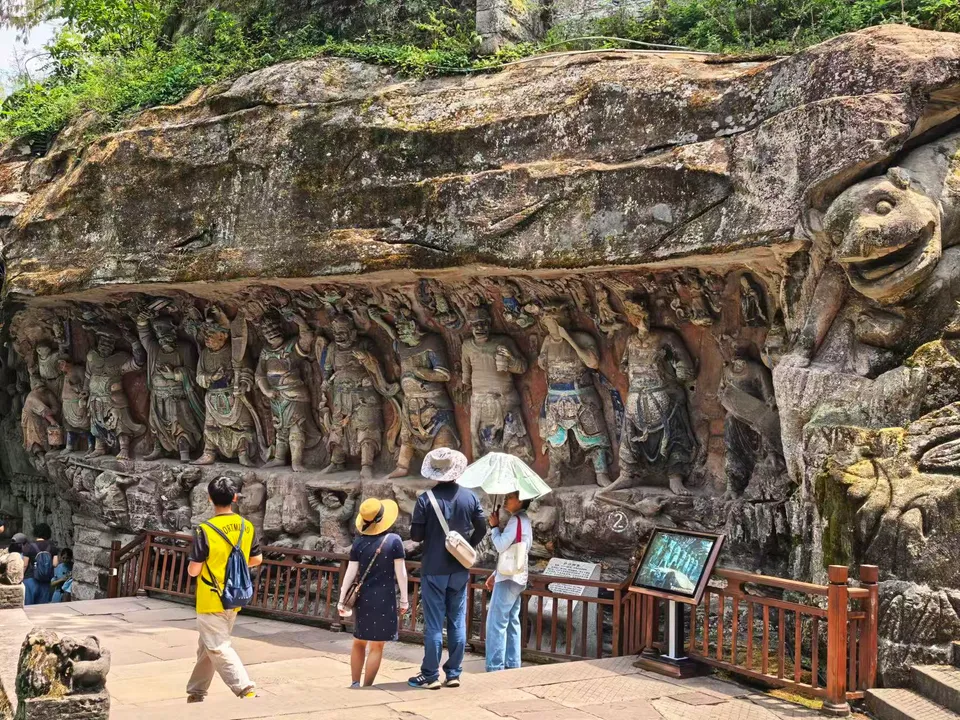
Dazu Rock Carvings
Dazu Rock Carvings trips bring you close to religious art carved into the hillsides beyond central Chongqing.
View attraction details →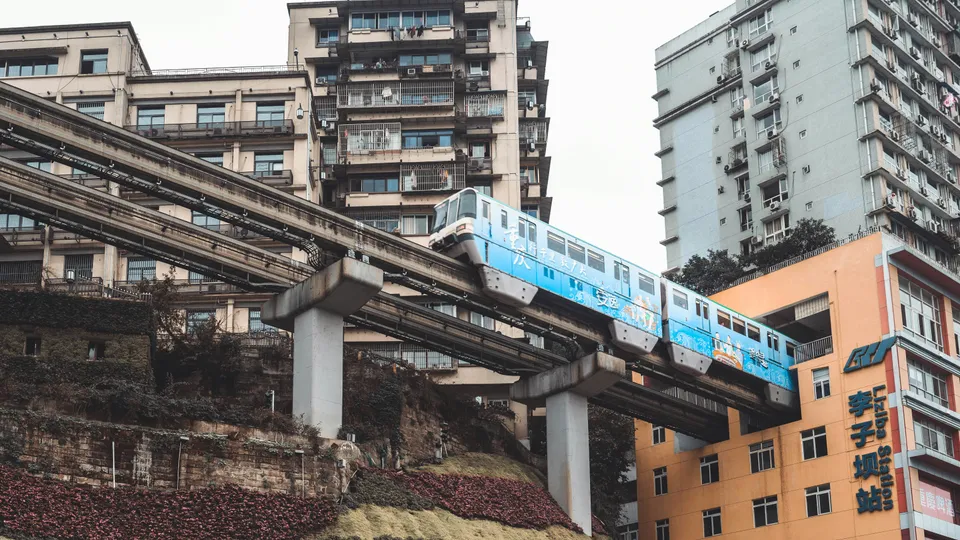
Liziba Station
Liziba Station trips explain one of Chongqing’s most photographed urban scenes: a monorail station integrated with a building.
View attraction details →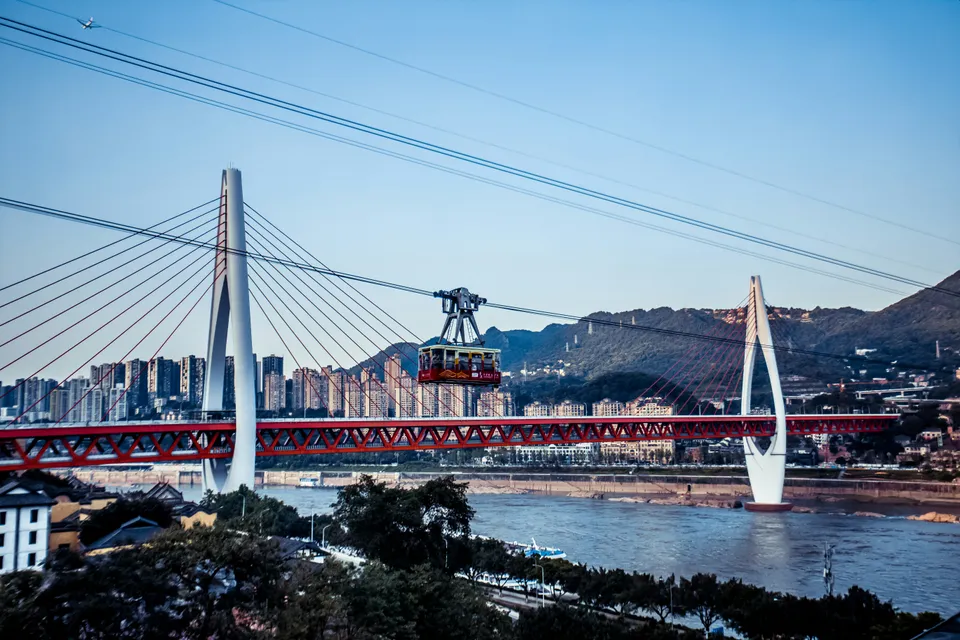
Yangtze River Cableway
Yangtze River Cableway trips place you above the river between Chongqing’s built-up slopes.
View attraction details →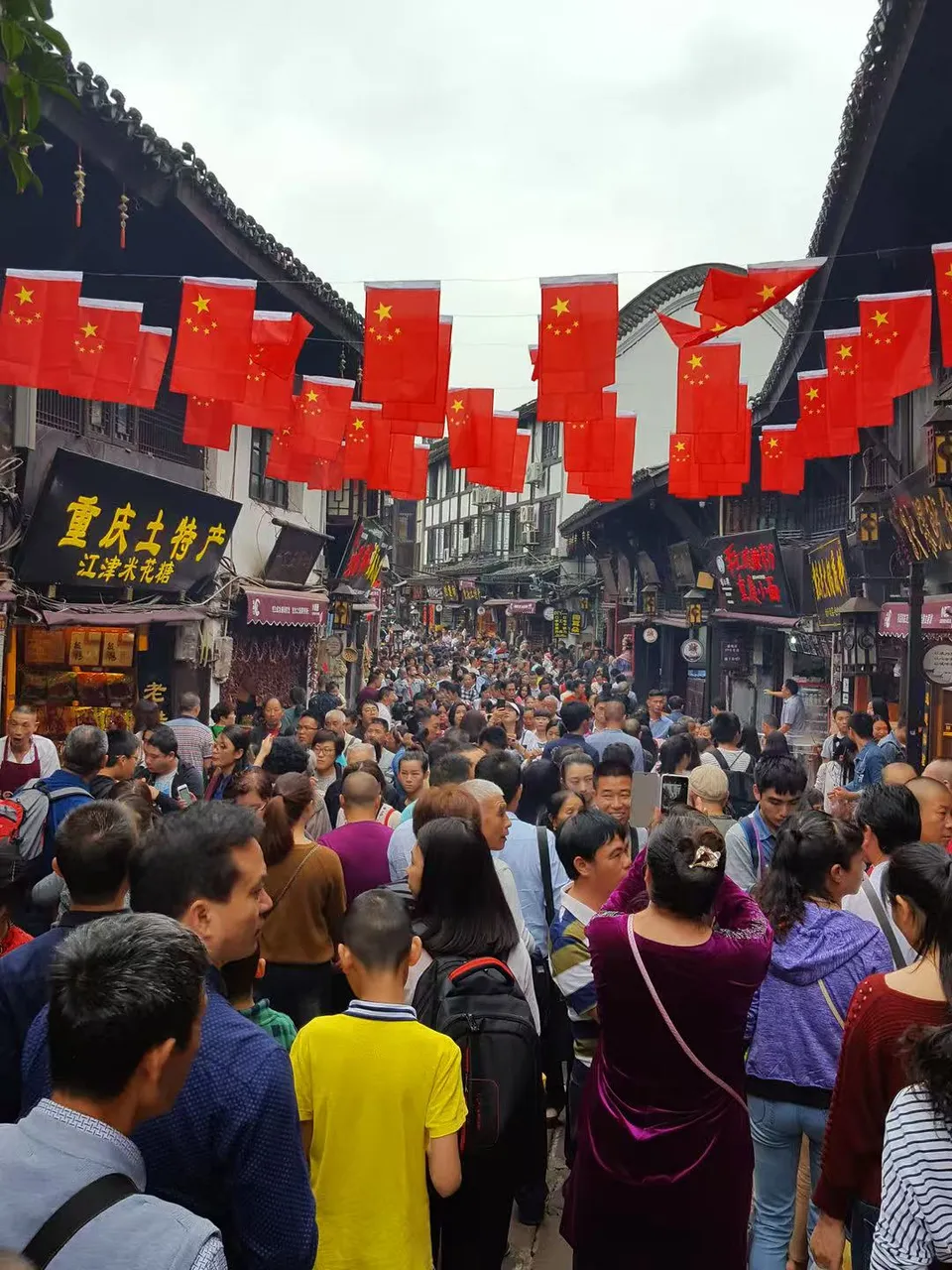
Ciqikou Ancient Town
Ciqikou Ancient Town trips follow stone-paved streets, busy shopfronts and the memory of river trade.
View attraction details →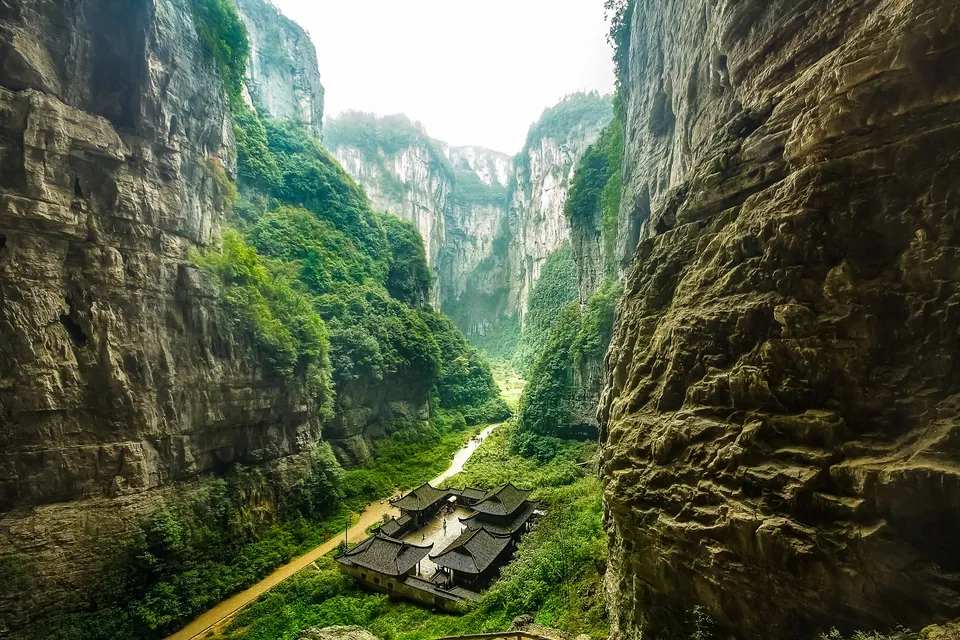
Three Natural Bridges
Three Natural Bridges trips take the scale of Wulong’s karst landscape from an idea into a walking experience.
View attraction details →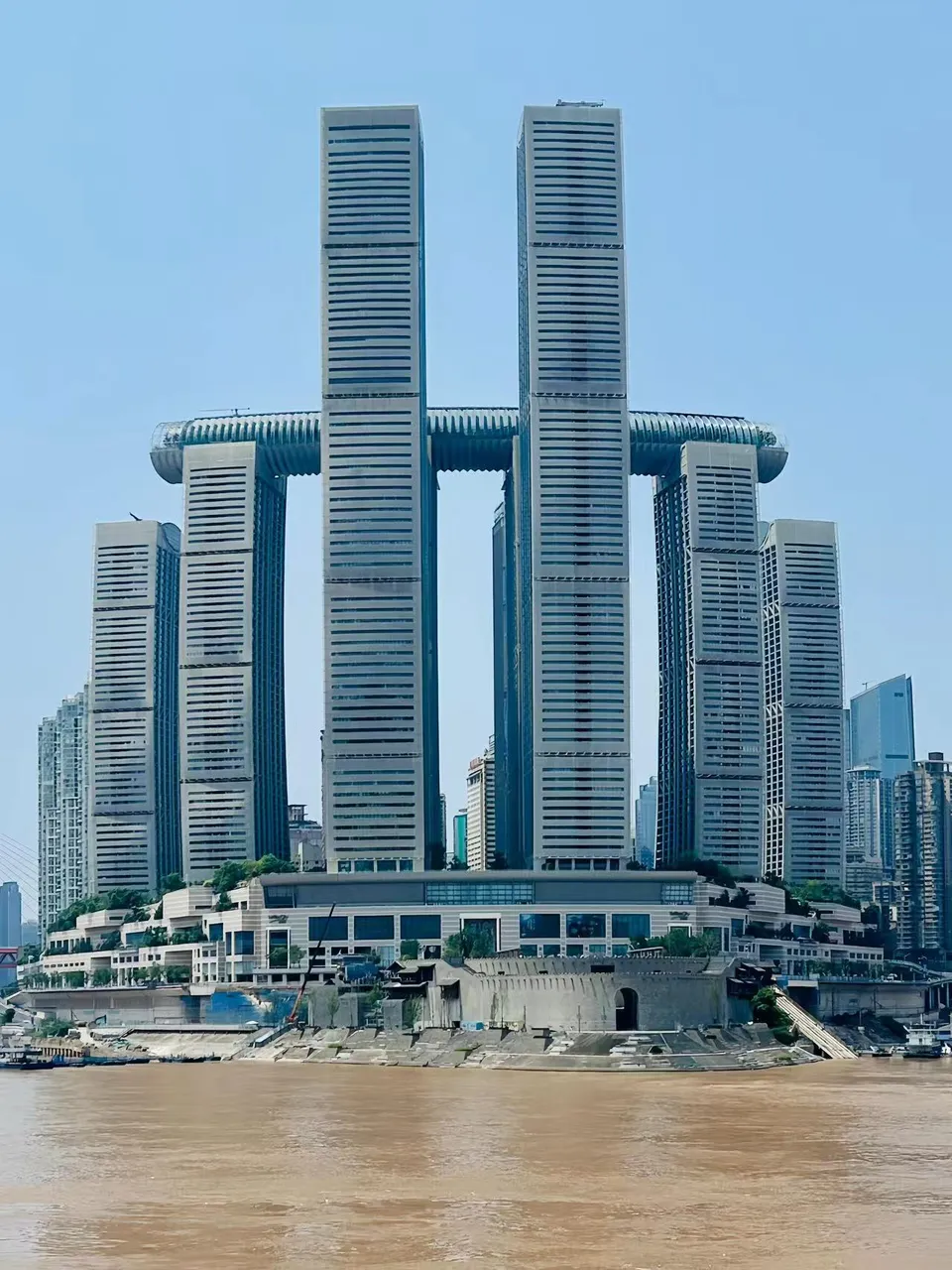
Raffles City Chongqing
Raffles City Chongqing trips explore a modern mixed-use complex at Chongqing’s river confluence.
View attraction details →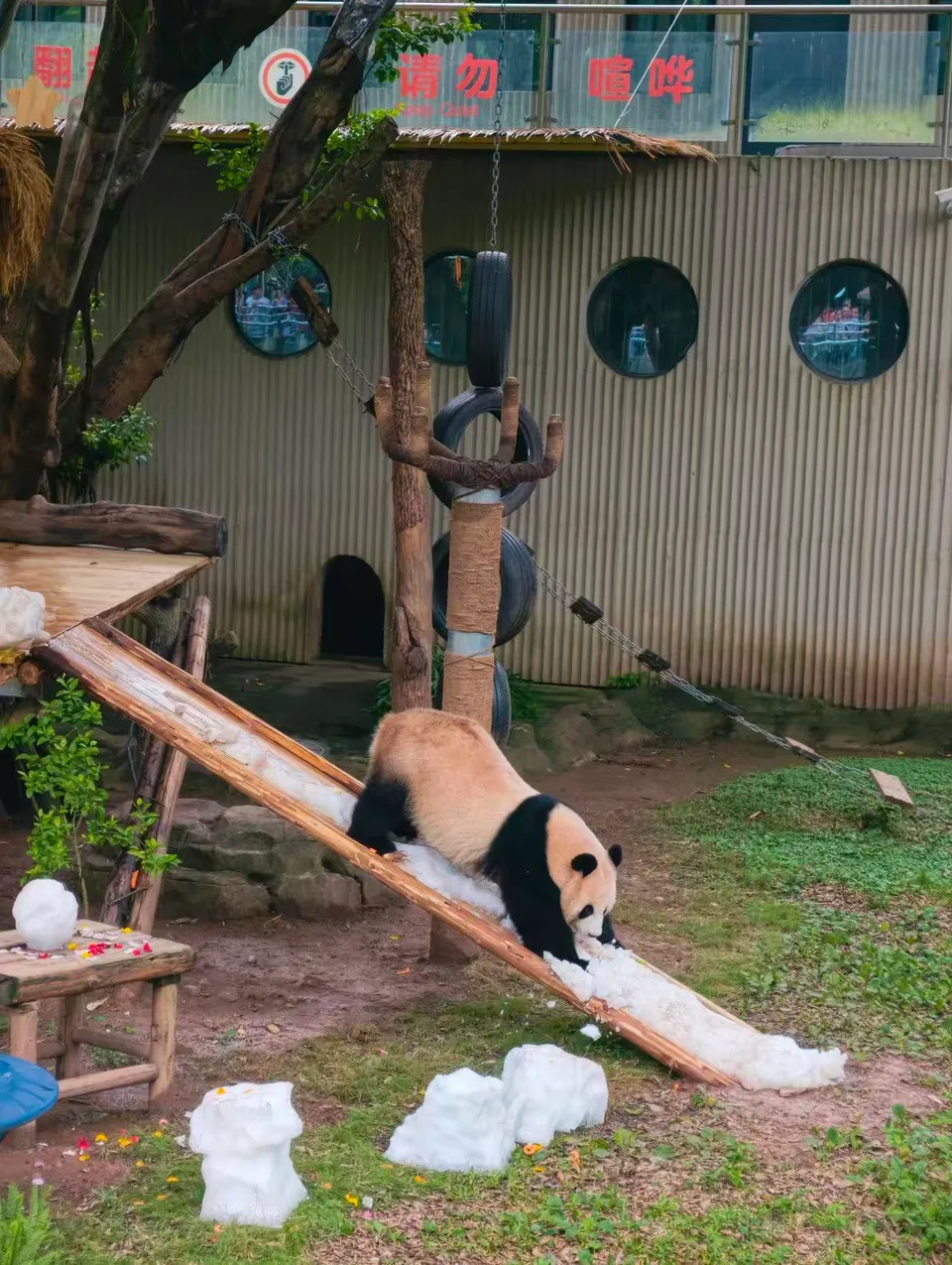
Chongqing Zoo
Chongqing Zoo trips can include time watching giant pandas while also exploring a broader urban zoo.
View attraction details →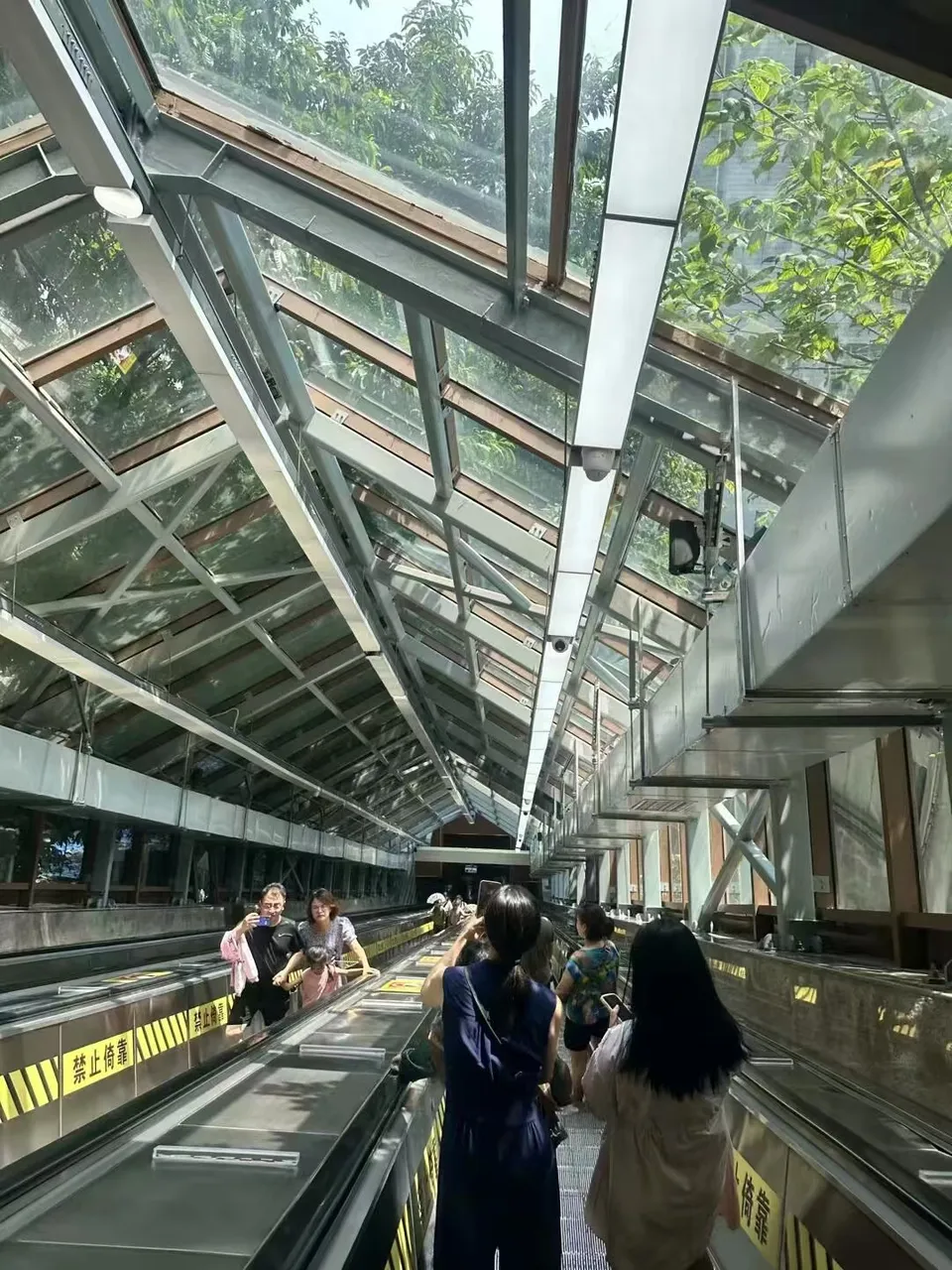
Lianglukou Crown Escalator
Lianglukou Crown Escalator trips show how a steep city solves a practical movement problem.
View attraction details →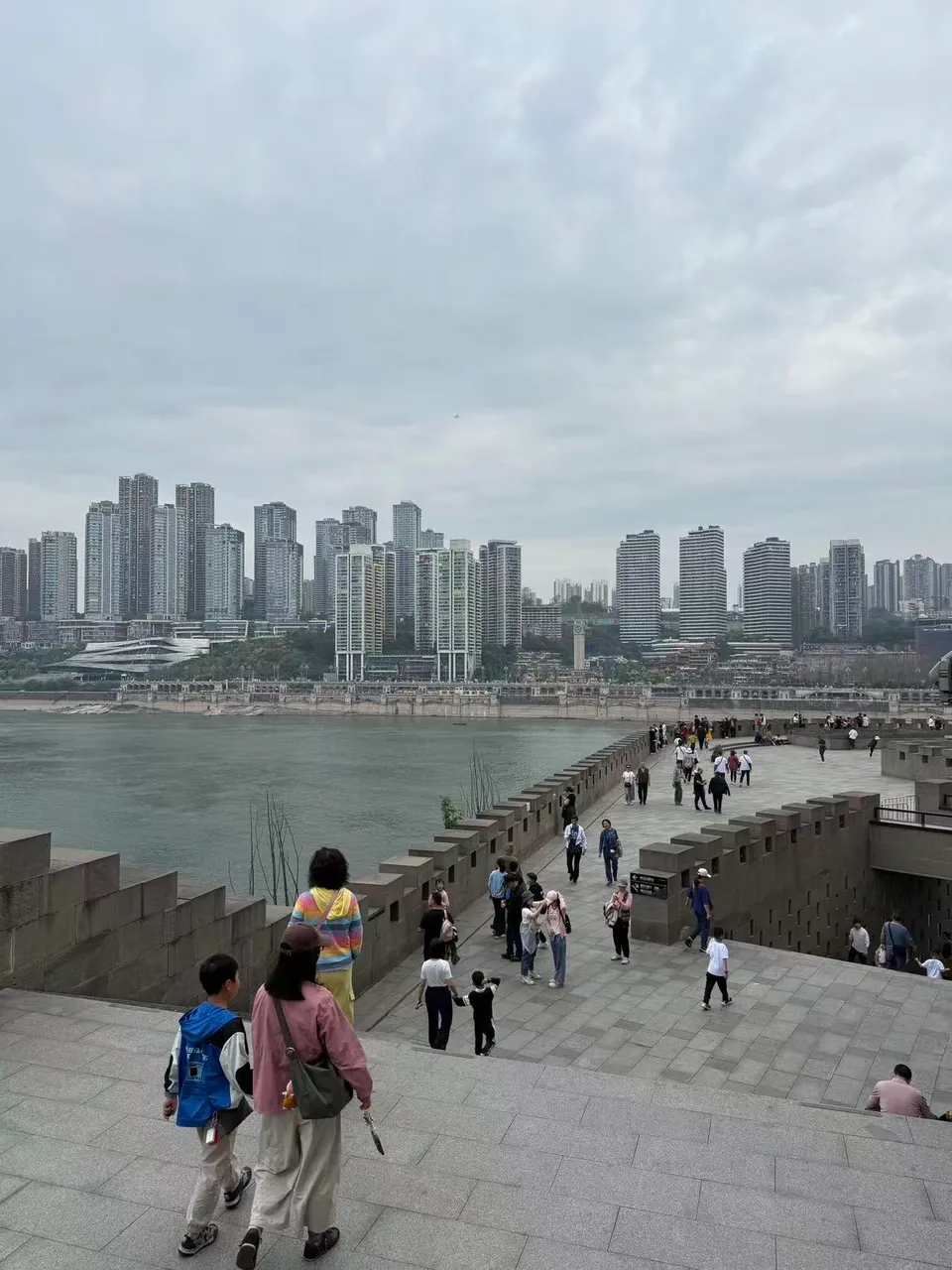
Chaotianmen Square
Chaotianmen Square trips look outward from the end of the Yuzhong Peninsula towards the meeting of the Yangtze and Jialing rivers.
View attraction details →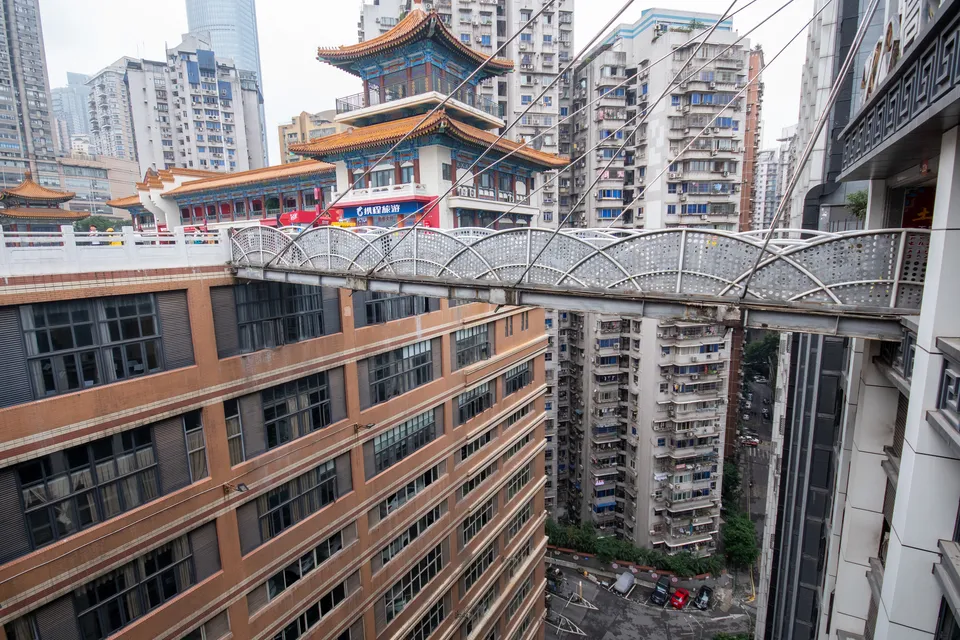
Kuixinglou Square
Kuixinglou Square trips make the city’s changes of level tangible: a space that feels like ground level can connect to a building high above another road.
View attraction details →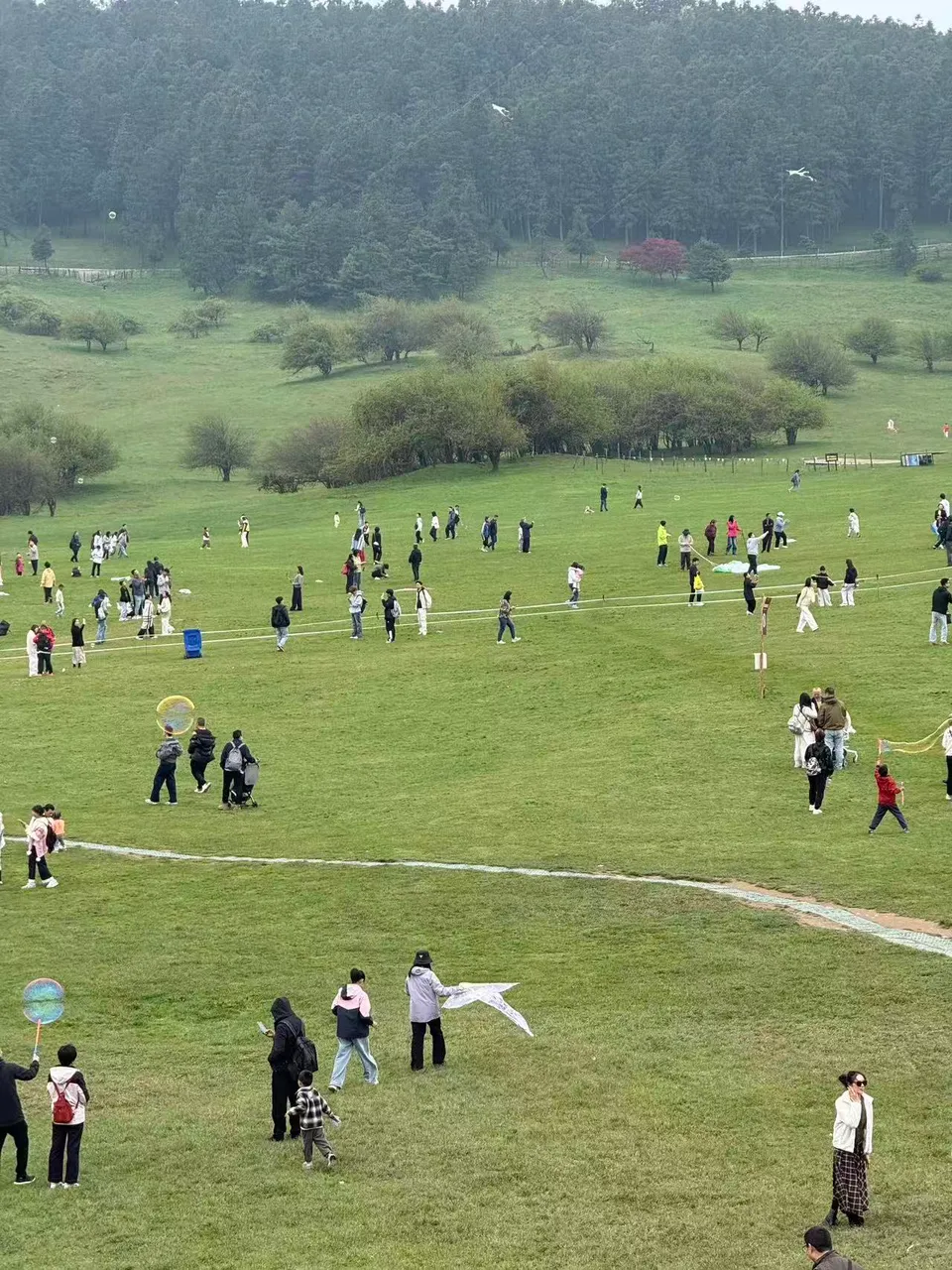
Fairy Mountain National Forest Park
Fairy Mountain trips offer a forest-and-meadow landscape at a different pace from central Chongqing.
View attraction details →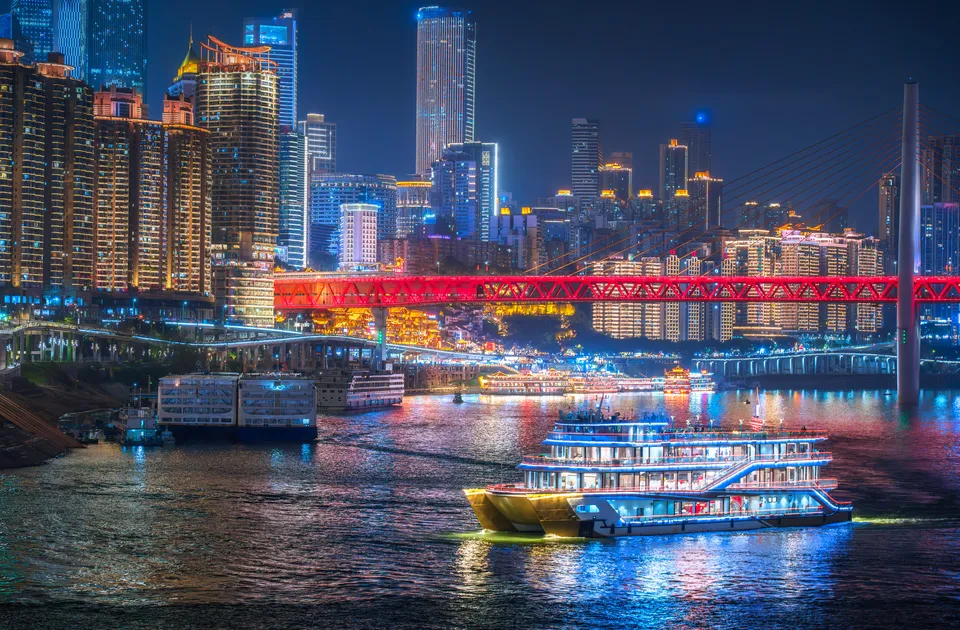
Chongqing Two Rivers Night Cruise
Chongqing Two Rivers Night Cruise trips bring the riverbanks and illuminated buildings into a moving panorama.
View attraction details →Choose a balance that suits your interests
- Rivers and the city at night
- Hongyadong, Chaotianmen Square and a Two Rivers night cruise offer different views of the riverfront. Chongqing tours need not include all three in one evening: choose the perspective you want and leave time to reach the correct level or boarding pier.
- Movement through a mountain city
- Liziba Station, the Yangtze River Cableway, the Crown Escalator and Kuixinglou Square help explain the relationship between transport and terrain. Select experiences that fit the route, rather than repeatedly crossing the centre for a few minutes at each stop.
- Streets, architecture and animals
- Ciqikou offers a historic river-town setting; Raffles City presents contemporary architecture and optional high-level experiences. Chongqing Zoo provides another pace for visitors interested in animal observation. These are different interests, not interchangeable stops on a compulsory checklist.
- A dedicated excursion
- Wulong and Dazu deserve their own travel time. For Chongqing tours with a short stay, choose the landscape or cultural visit that interests you most; attempting both as small additions to a city day understates the transfers and on-site time.
Plan for the terrain and the distances
- Walking and access
- Build Chongqing tours around actual entrances, levels and return routes. Steps and slopes can be more demanding than the map suggests. If anyone uses a wheelchair, stroller or walking aid, ask about the complete route rather than assuming one available lift makes the whole visit step-free.
- Weather and visibility
- Check the forecast before fixing outdoor walks or elevated viewpoints. Heat, humidity, rain and river mist can change comfort and visibility. Allow indoor breaks and adjust the amount of walking instead of treating every advertised skyline photograph as an everyday guarantee.
- Where to stay
- Choose a base around the visits you want, useful transport and the real route to the hotel door. A station nearby on a map may still involve a steep approach; a river view and easy street-level access are different advantages.
- Hot pot and meals
- Leave time for Chongqing hot pot if it interests you, asking about broth, spice level, ingredients and allergens before ordering. A milder option does not automatically resolve dietary restrictions. No particular restaurant is required to make the food part of the journey.
- City transport
- Use rail or road transport around the exact arrival point, with buffers for station walking, queues and road conditions. A cableway ride, escalator fare, train journey and guided service are separate products unless a booking expressly combines them.
- Tickets and documents
- Keep each reservation’s Chinese place name, date, entrance and document requirements together. Confirm any passport process before payment where the interface is unclear, and distinguish admission from internal transport or optional experiences.
Give onward travel enough time
Chongqing tours can connect with Chengdu or other stages of a China journey. Compare the actual departure and arrival stations, not just the advertised train-running time, and include transfers from your hotel. Avoid placing a distant Wulong or Dazu visit immediately before an inflexible departure.
A short Two Rivers city cruise and a multi-day Yangtze journey are different plans. This city introduction covers the former as an optional evening experience; a longer sailing requires its own itinerary, ship and embarkation arrangements.
Questions before your visit
How many days should I allow for Chongqing tours?
Two or three days can introduce selected central-city experiences. Add dedicated time for Wulong or Dazu, adjusting for your interests, transport and walking comfort. This is a planning suggestion, not a fixed package.
Should I visit both Wulong and Dazu?
Choose according to your interests: the visits have different natural and cultural focuses. A short stay may be more comfortable with one well-planned excursion.
Can I rely on map distance for walking times?
Not by itself. Check the level, entrance, crossings and steps; vertical changes can alter the practical route substantially.
Official visitor information
Visitor information 1 · Visitor information 2 · Visitor information 3