Understand the destination
For first-time Lhasa tours, distinguish the city from the wider journeys commonly associated with it. The Potala Palace, Jokhang Temple, Barkhor Street, Sera, Drepung and Norbulingka offer different perspectives within the urban setting; Ganden in Dagze requires an excursion beyond the centre.
Places and experiences
The places introduced through Lhasa tours include those seven settings plus Yamdrok Lake and Namtso. Yamdrok’s principal visitor area lies in Shannan, while Namtso spans Lhasa and Nagqu jurisdictions. Their inclusion here describes a travel connection, with dedicated pages explaining their particular access and distance.
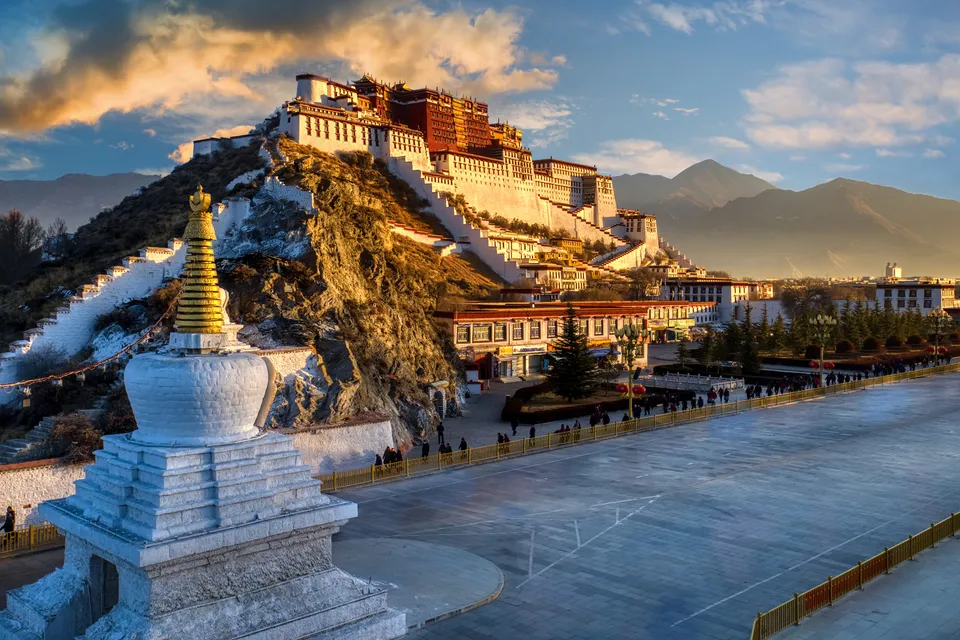
Potala Palace
Potala Palace trips bring a monumental landmark into human scale.
View attraction details →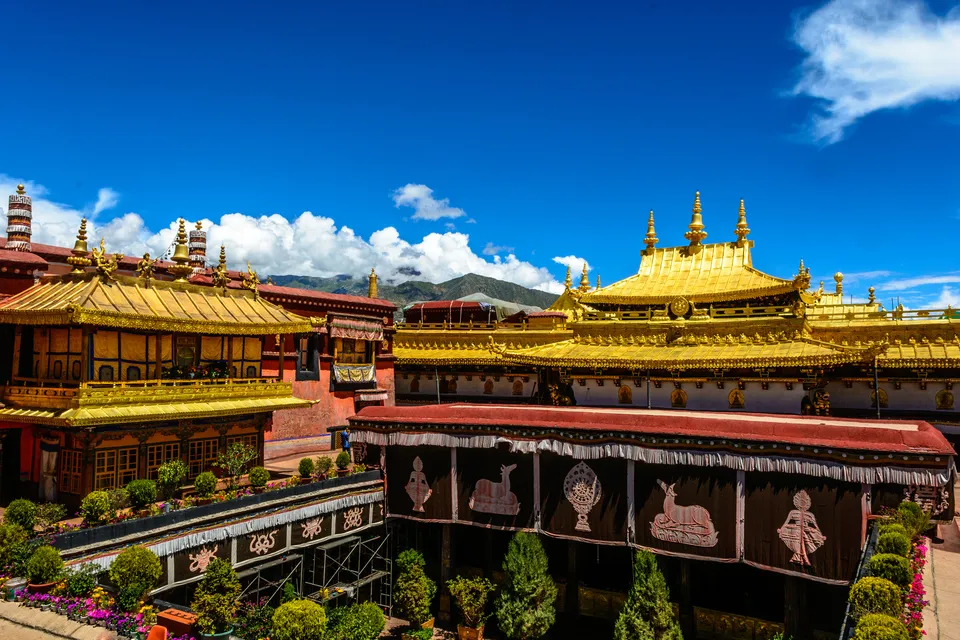
Jokhang Temple
Jokhang Temple trips centre on a place of worship within Lhasa’s old town.
View attraction details →Barkhor Street
Barkhor Street trips explore a historic street environment at the heart of old Lhasa.
View attraction details →Sera Monastery
Sera Monastery trips introduce a monastic setting known for religious study and debate.
View attraction details →Drepung Monastery
Drepung Monastery trips explore a hillside monastic complex whose buildings unfold across changing levels.
View attraction details →Norbulingka
Norbulingka trips offer a different rhythm from a steep palace approach or a crowded old-town street.
View attraction details →Ganden Monastery
Ganden Monastery trips lead beyond central Lhasa to a hillside religious setting in Dagze District.
View attraction details →Yamdrok Lake
Yamdrok Lake trips offer a landscape excursion from Lhasa into Shannan.
View attraction details →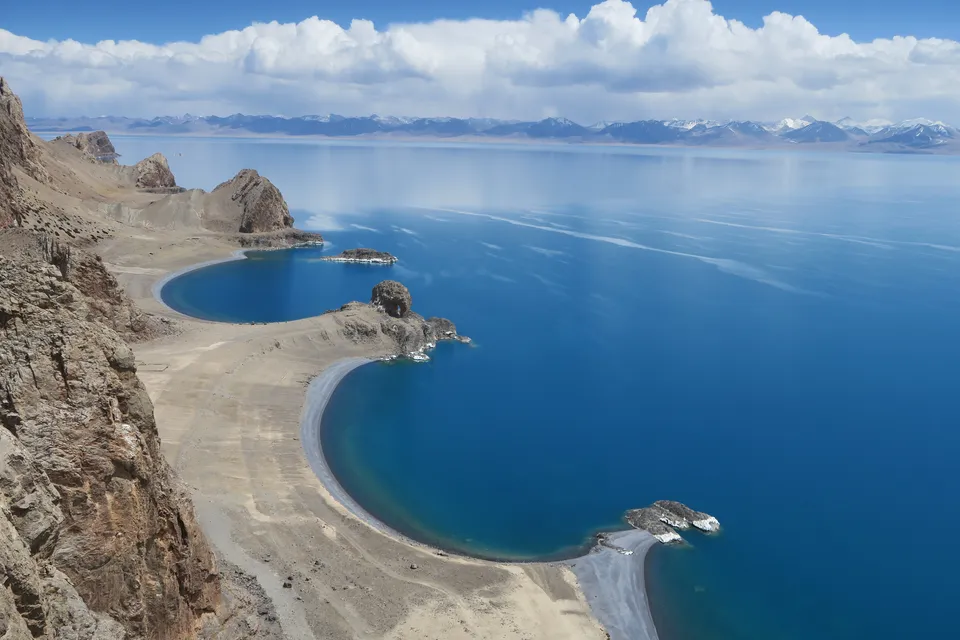
Namtso Lake
Namtso Lake trips take you well beyond an ordinary city sightseeing day.
View attraction details →Choose your priorities
- Culture and local character
- Culturally focused Lhasa tours can compare palace spaces, temple worship and monastic learning without treating them as interchangeable buildings. Debate at Sera, when visitor viewing is available, is a learning practice. A conversation about thangka painting may add context, but a class needs a separately confirmed provider and is not automatically part of sightseeing.
- Landscape and walking
- Landscape-minded Lhasa tours should allow the city visit to settle before selecting a higher excursion. Lake roads can cross elevations well above the hotel, even when the walk at the destination is short. Choose a route for its actual conditions and the group’s comfort, with weather-dependent views accepted as part of the experience.
- Stay and pace
- For unhurried Lhasa tours, leave several days for a selection of city interests rather than filling the arrival day with a demanding climb. Discuss hotel access, rest periods and meals, including ingredients if trying butter tea or other local food. The most useful plan has room to shorten a visit when needed.
Details for a considered visit
- Weather and wellbeing
- Lhasa tours need a plan for both weather and altitude. Seek pre-travel medical advice when appropriate, ascend gradually where possible and do not move to a higher sleeping altitude with symptoms of altitude illness. Report symptoms promptly so that rest, medical assessment or descent can take priority over the sightseeing schedule.
- Permits and transport
- Arrange Lhasa tours through an appropriately authorised receiving agency, confirming the Tibet travel permit and any route-specific permissions for your passport and dates. China entry permission and local travel approval are separate matters. Confirm current palace reservations, exact flight or rail connections, and the airport or station transfer before treating a booking as settled.
Onward connections
Lhasa tours can form part of a wider plan including Nyingchi, Ngari or a separately approved Shigatse journey. None is a neighbouring city stop. Count travel days, sleeping elevations and permission conditions; an onward Nepal crossing also needs current border and entry confirmation, not an assumption based on an older route description.
Questions before your visit
Does a Chinese visa or visa-free entry replace Tibet travel permission?
No. The receiving agency must verify the separate Tibet travel arrangements and applicable permissions before you travel.
Are all lake excursions suitable immediately after arrival?
No. Their higher elevations and journeys require individual planning; adjustment to Lhasa does not guarantee comfort everywhere else.
Sources and visitor information
Visitor information 1 · Visitor information 2 · Visitor information 3 · Visitor information 4